
By Andrew Wood, Head of Student Recruitment
Andrew Wood joined Earlscliffe in October 2024, bringing with him decades of experience in international education.
A former headteacher who has spent much of his career overseas, Andrew has a lifelong passion for nurturing globally minded learners and building truly international school communities. Here, he reflects on why giving older teenagers the opportunity to immerse themselves in a “Study Abroad” experience can be so transformative.
A tradition with a modern purpose
Student exchanges were originally developed in the aftermath of the Second World War as a form of cultural diplomacy, a way to reduce misunderstandings between nations and foster peace through personal connection. Over time, these programmes have evolved into one of the most effective ways to promote global understanding, empathy, and cooperation.
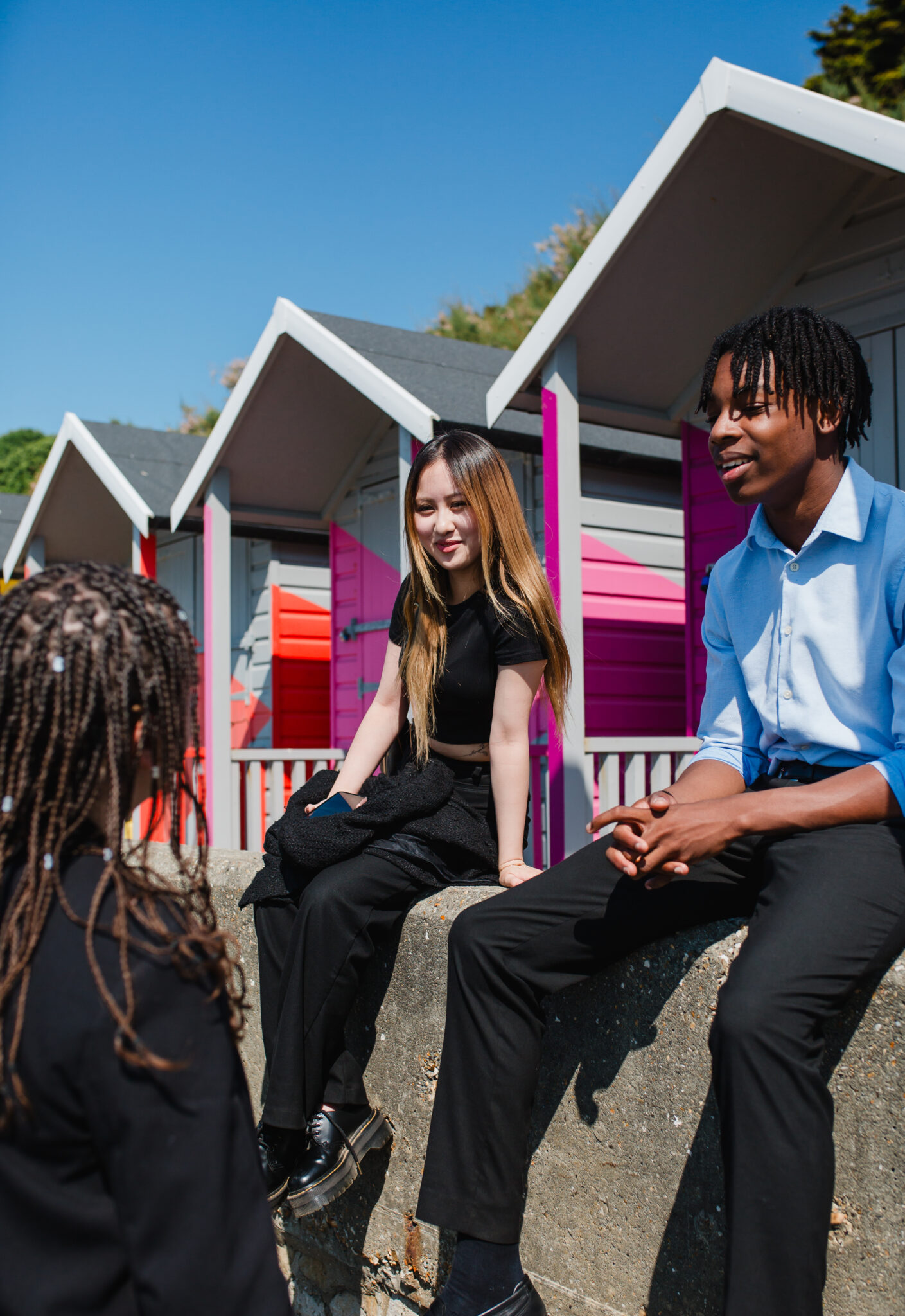
At schools like Earlscliffe, we see this in action every day. Our students come from all over the world, each bringing their own traditions, perspectives, and ways of thinking.
Back in US history they used to ask if the country had become a “melting pot or a salad bowl?” What I feel here is that students coming from different nationalities really do melt together. These are not separate, and sometimes segregated, ingredients but a real mixture enriching the community. What I love about Earlscliffe is that nobody feels different as there is a celebration that we all are.

The lifelong benefits of studying abroad
There are countless lifelong benefits to an international education, but the most compelling evidence is clear and measurable. Research shows that students experience significant growth in cross-cultural communication skills after as little as one term of study abroad.
Those who take part in academic immersion programmes are also more likely to enjoy enhanced career prospects later in life. Employers increasingly value adaptability, intercultural awareness, and the ability to thrive in diverse teams.
For many young people, a study abroad experience is the first time they’ve stepped outside their comfort zone in such a meaningful way. Learning to navigate new customs, languages, and routines builds independence and resilience that stay with them long after their time abroad ends.
Why ages 15–19 are the most transformative years
Adolescence is a uniquely powerful stage for this kind of growth. Neurologically, it’s a period of tremendous flexibility and development. Teenagers are forming their identities, testing boundaries, and discovering how they relate to the world around them.
When a young person experiences immersion in a new culture during this period, the effects are profound. They learn to communicate across barriers, adapt to unfamiliar environments, and appreciate multiple perspectives. Language acquisition is faster and more natural, while confidence and social maturity develop in leaps and bounds. These are the years when international experiences don’t just shape students, they help define who they become.
Building skills for a changing world
At its core, international immersion develops four critical life skills:
- Adaptability – adjusting to new surroundings and ways of thinking
- Confidence – building independence through real-world experiences
- Resilience – learning to overcome challenges and thrive in change
- Cross-cultural competence – one of the top skills sought by employers today.
In an increasingly interconnected and technology-driven world, where AI can already perform many routine tasks, these distinctly human qualities are what will set young people apart.
The ability to collaborate across cultures, empathise with others, and think globally will define success in the decades ahead.
Academic immersion during the teenage years is more than just an academic opportunity; it’s an experience that shapes character, perspective, and purpose. It gives young people the courage to see themselves as global citizens, not just participants in the world, but contributors to it.
At Earlscliffe, we see this transformation every day. The friendships formed, the confidence gained, and the worldview expanded all point to one truth: the best time to open your mind to the world is now.
What does an academic immersion programme look like at Earlscliffe?
Earlscliffe’s Study Abroad programme offers international students aged 14 – 19 a deeply immersive British boarding school experience that goes beyond academics.
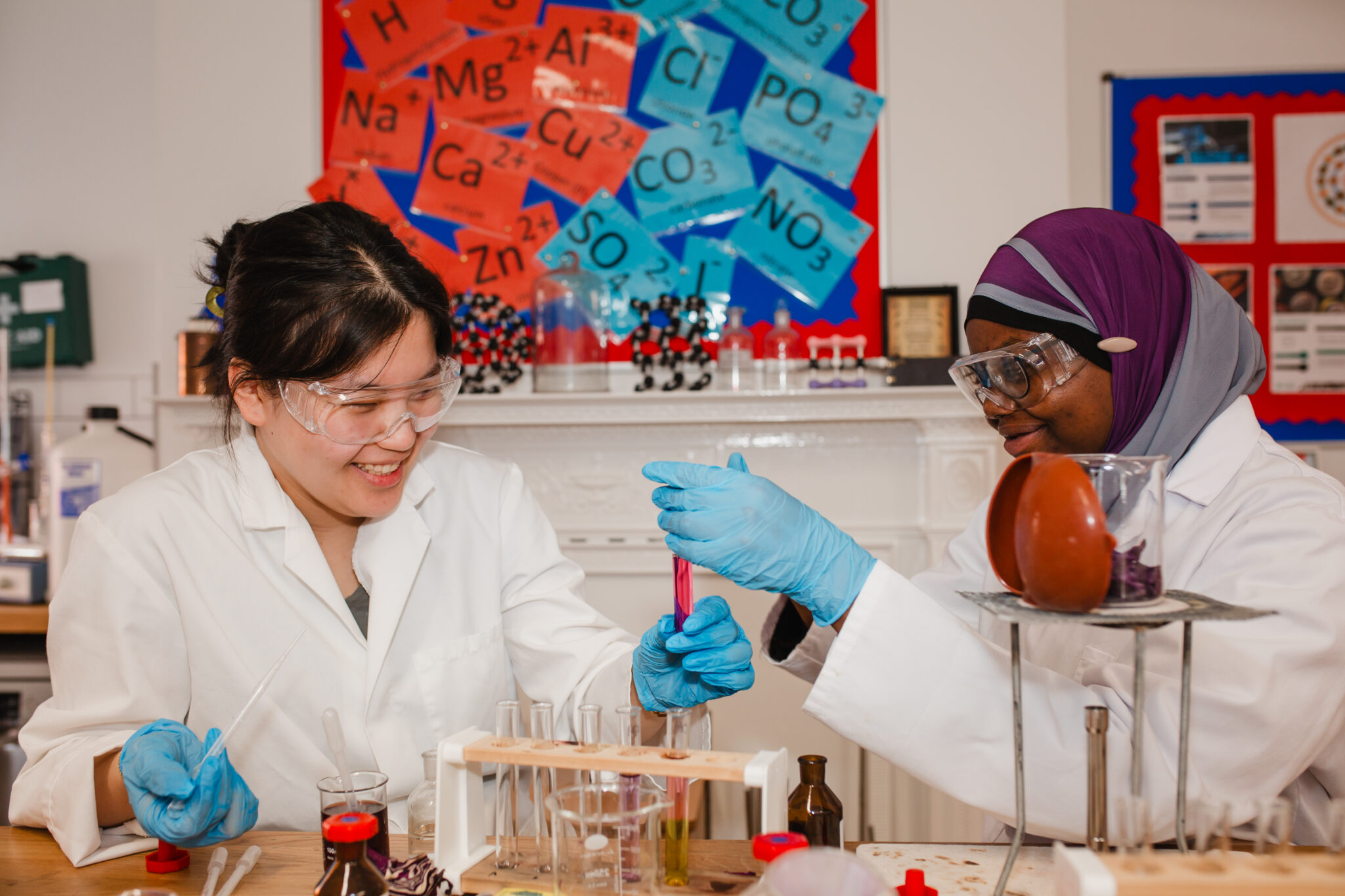
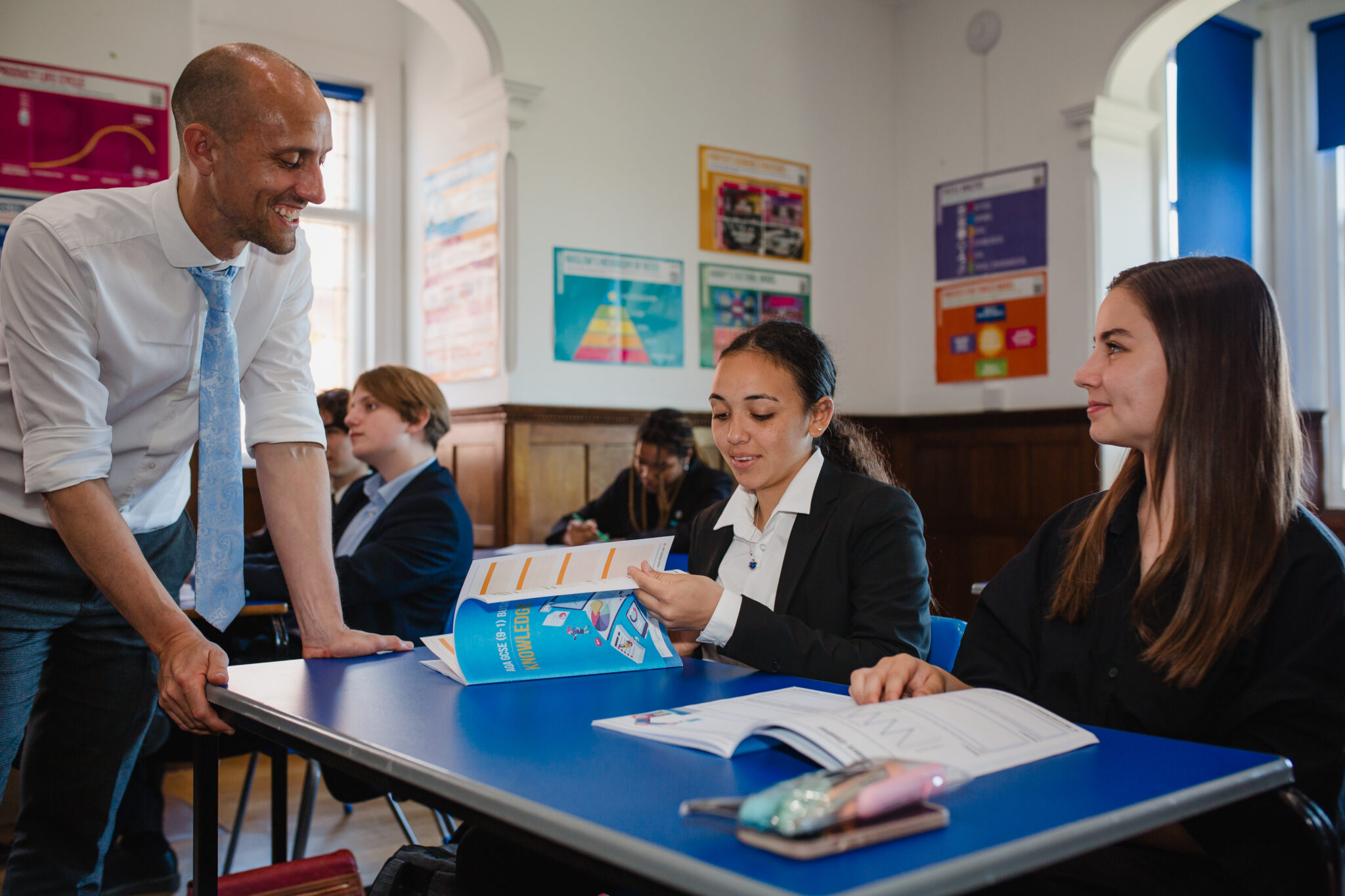
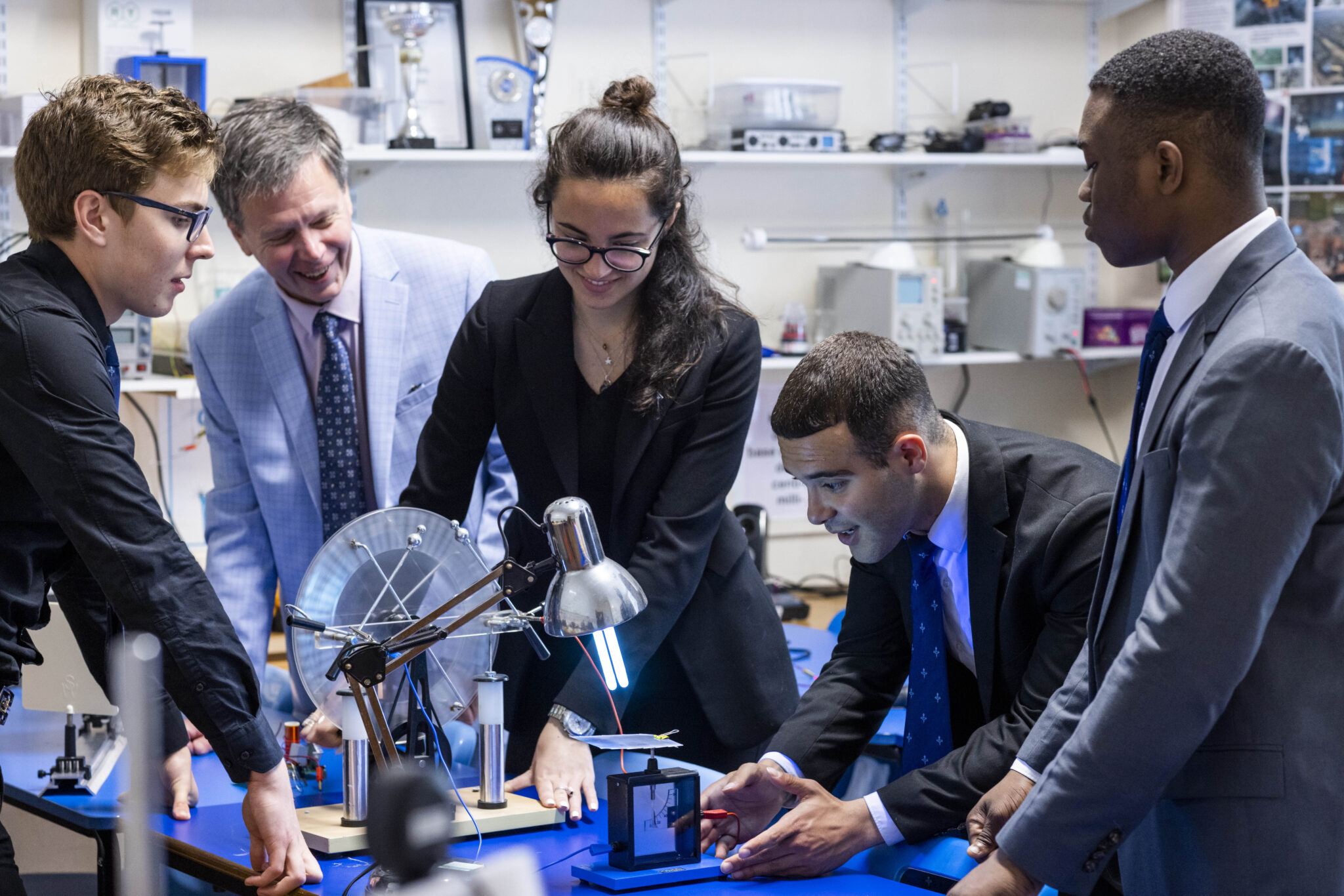
Teaching is dynamic with small classes (around seven students) and tailored English-language support. Study Abroad students are directly immersed in school life. They build confidence and enjoy long-term benefits of sharpened global awareness, adaptability, and academic drive.
https://www.earlscliffe.co.uk/courses-and-qualifications/studyabroad/